
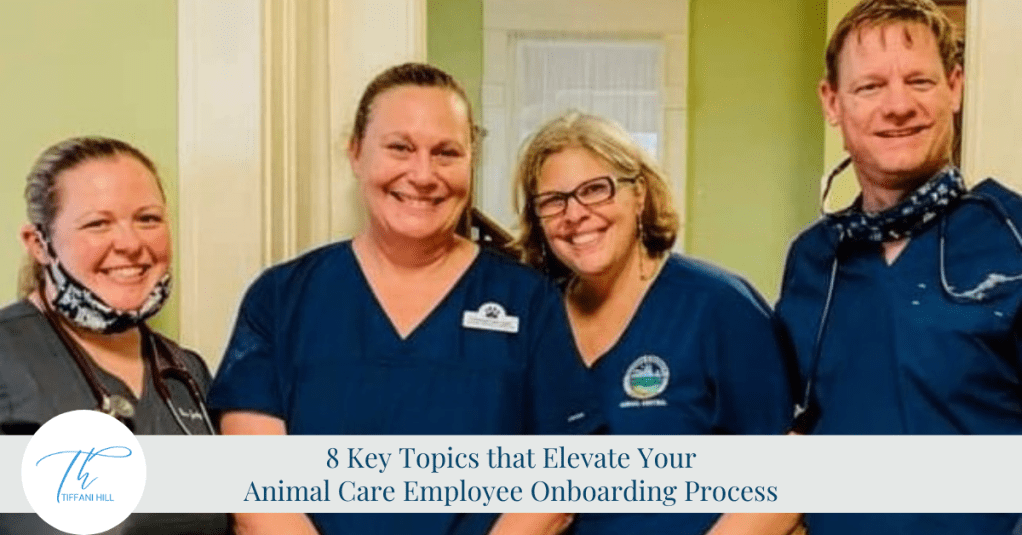
How do you onboard new employees/contractors for your pet care business?
Do you feel like they’re getting the information they need to be successful? Do you get more compliments or complaints from clients about your newer employees?
You know the importance of having a knowledgeable and skilled team to ensure the safety and well-being of the animals in your care. One of the key steps in building a successful pet care business is to have a comprehensive onboarding process for new employees and contractors.
Generic Onboarding Plans Don’t Work for Animal Care Businesses
Generic employee onboarding plans are easy to find and easy to use. Unfortunately, they don’t fully meet the unique needs of animal care businesses. They’re missing 8 essential topics that should be included in your new hire orientation and training.
In this article, we will discuss the unique information and skills your new animal caregivers need to provide excellent client services. You will be able to develop a comprehensive onboarding plan for your pet care business by using my Onboarding Plan Checklist plus the information in this article.
1. Animal Handling and Care Policies and Procedures

Ensure the safety and comfort of the animals in your care by having written policies and procedures. Your onboarding program should include detailed training on how to handle and care for different species of animals.
Train your new hires on proper handling techniques, feeding schedules, grooming routines, and maintaining a clean and sanitary environment. It is important to emphasize the importance of gentle and compassionate handling to create a positive experience for both the animals and your clients.
2. Owner Interaction Policies and Procedures
Many of us choose to work in the pet care industry because we want to spend time as much time as possible with animals. We find them easier to be around than people. To make money, however, we have to interact regularly with humans.
It is important to understand that your clients are placing their beloved family members in your care. Provide your team with training on how to effectively communicate and interact with them. In your training, discuss how to schedule appointments, and answer questions. Explain appropriate boundaries when providing updates on the pet’s wellbeing and addressing any concerns or issues. Role-playing can be an effective tool during communication training.
Owner interactions can involve a lot of emotion and very high expectations. They also involve handling sensitive and confidential information. Clear professional and empathetic communication guidelines will help ensure that your clients feel heard and valued.
3. Zoonotic Disease Prevention
Your onboarding program should include training on recognizing the symptoms of common zoonotic diseases. Zoonotic diseases are illnesses that can be transmitted between animals and humans. The list includes ringworm, rabies, Lyme disease, and salmonella. Public health officials carefully monitor zoonotic diseases and put regulations in place to control infection rates.
Employees of animal care businesses must actively protect themselves and your clients from these diseases. This means understanding how the diseases are transmitted. Thorough training on proper hygiene practices, such as handwashing and environmental disinfection, is a must for animal care professionals.
Depending on what species and in what environments you work, you and your employees may benefit from being vaccinated against rabies. By promoting a safe and healthy environment, you can prevent the spread of illnesses and maintain the trust of your clients and your community.
4. Contagious Disease and Parasite Prevention
Another important aspect of care is preventing the transmission of contagious diseases and parasites between animals. No business wants to be identified as “ground zero” for a kennel cough outbreak in the community, for example.
Your onboarding program should provide comprehensive training on recognizing the signs of illness in animals, as well as the appropriate steps to take to prevent the spread of disease.
Your protocols may include implementing vaccination policies, regular parasite control measures, and maintaining a clean and sanitized facility. By prioritizing the health and well-being of the animals in your care, you can ensure a safe and enjoyable environment for all.
5. Lost Pet Protocols
If someone’s pet has gotten out or injured while in your care, you’ve experienced those special feelings of panic and dread.
No matter how careful you are, there is always a possibility of a pet getting lost or requiring emergency care. Your onboarding program should include training on what to do in such situations. This involves implementing clear protocols for preventing escapes, reporting lost pets, conducting a thorough search, and notifying the owners.
6. Emergency Evacuation Plan
In the event of a natural disaster or emergency, your team needs to know how to respond with confidence. Your onboarding program should include training on the emergency evacuation procedures specific to your facility. This should cover topics such as identifying evacuation routes, assembling emergency supply kits, and communicating with employees and clients during an evacuation.
If you need help developing or updating your emergency plans, download your free copy of my Paws-itively Prepared Emergency and Disaster Plan Checklist.
7. Illness and Injury Identification and First Aid
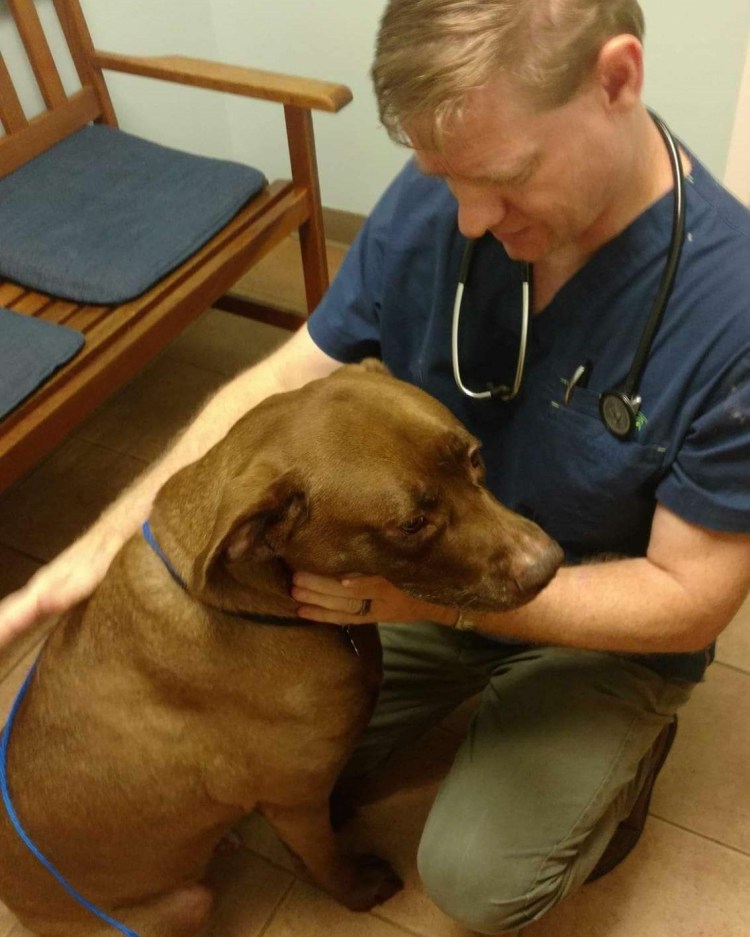
As animal care professionals, your employees must be able to identify the symptoms of illness and injury in animals. Your onboarding program should provide comprehensive training on recognizing common signs of illness and injury for different species.
Additionally, your employees should be trained in basic first aid techniques, such as wound cleaning, bandaging, and administering medication. By being able to quickly identify and respond to health issues, you can provide timely care and prevent further complications.
8. Compliance with Local and State Regulations
To operate any business, it is essential to comply with local. state, and federal regulations. Your onboarding program should include training on the specific regulations that apply to your business. This includes all licensing requirements, recordkeeping protocols, and health and safety standards.
By ensuring that your employees are knowledgeable about these regulations, you can maintain compliance and avoid costly fines. Inspectors rarely make an appointment before they show up at your business.
Your New Employee Onboarding Process Matters
Building a successful animal care business starts with having a well-trained and knowledgeable team. By implementing a comprehensive onboarding program that covers essential topics such as animal handling, owner interaction, disease prevention, emergency protocols, and regulatory compliance, you can ensure the safety and wellbeing of the animals in your care.
Remember, onboarding is not just about providing information, but also about fostering a sense of belonging and support within your team. By investing in your employees’ experience from day one, you are setting the foundation for a thriving and compassionate pet service business.
Now is the time to take action and create an onboarding program that sets your pet care business apart. Let’s work together to provide the best possible care for our furry friends and create a positive experience for all involved.
Contact me today to ask any questions and to schedule a complimentary consultation to review your onboarding process. You’ll gain valuable insight and get personalized tips that will help you successfully train your team.

 Tiffani Hill LLC