
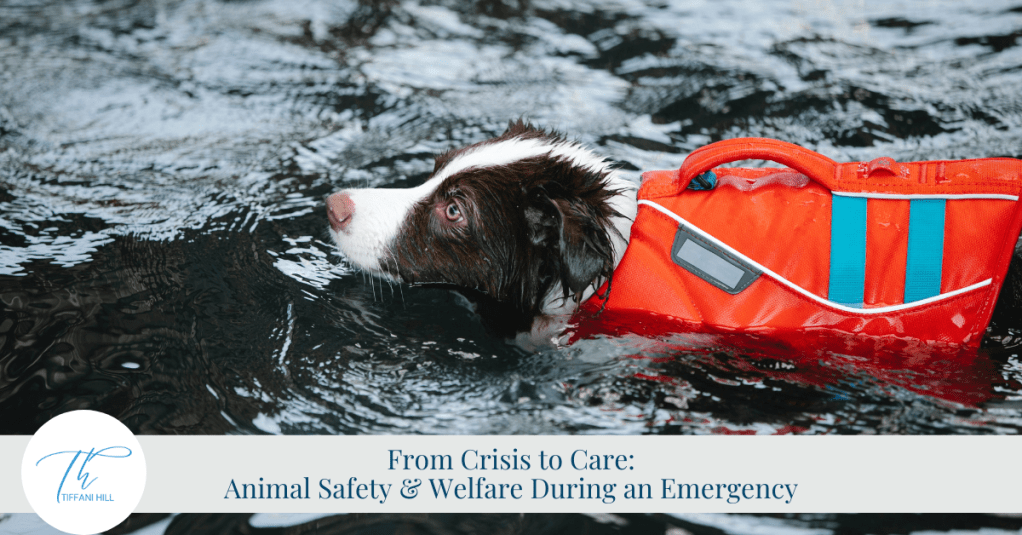
As animal welfare professionals, we prioritize the safety and well-being of those in our care -sometimes even over our own safety.
For us, a dog running in traffic is as much of an emergency as evacuating for a hurricane. I picked up these sweet babies abandoned by a trashcan on the side of a road one evening.
This is part of a blog series of posts taking a closer look at the steps in the 9 Steps to Create Your Emergency and Disaster Preparedness Plan. You can click here to follow along with the Steps.
In Step 4 of the Emergency and Disaster Preparedness Plan Checklist, we created evacuation and shelter-in-place plans. Now in Step 5, we will discuss how to ensure animal safety and welfare during an emergency. And I will share some tips I’ve learned over the years.
Designate an Animal Care Lead
If you have a team, you will need to designate an experienced member as your Animal Care Lead. During a crisis, they will focus on ensuring your animal clients receive individual care based on needs and available resources.
The Animal Care Lead is responsible for:
✔ Regularly confirming that animals are safe and accounted for.
✔ Ensuring animals receive proper care, such as food, water, enrichment, and medications.
✔ Triaging medical care needs.
✔ Training and supervising any staff/volunteers on proper handling techniques to minimize stress and prevent injuries to animal and handler.
✔ Keeping accurate and timely records of animal care activities.
Note: Your role as a business owner is to oversee all your emergency operations. This may go beyond the needs of the animals in your care. It can include protecting your business assets, coordinating with emergency response personnel, and possibly, speaking with the media.
For those of us called to work with animals, it can be challenging to leave their care to other people. Allow people to help you so that you can lead your business through the crisis.
Safe and Secure

How you secure or contain the animals in your care depends on the situation and the type of animal(s). For example, dogs are handled differently than horses. A fire requires a different response than an earthquake. Here are some tips to help you with planning how to safely provide care.
Review Your Risks
In my previous post, I shared part of the plan I created for a facility preparing for a possible riot nearby. If trouble started, we were to gather in an assigned area in the police parking lot across the street. A riot could happen when my staff were scattered around the grounds walking dogs.
Creating the plan, my first thought was that everyone should bring their dogs with them to the assembly area. For safety, we wanted everyone to get there as soon as possible. What are the potential outcomes of this plan?
📝 Scenario A: An angry mob creates chaos around the buildings next to us. We’re instructed to evacuate our facility. We exit our buildings with a variety of dogs. Some are dog aggressive. Some are fear biters. Some are just plain terrified of the loud noises and crazed people.
Law enforcement officers are attempting to handle the mob and protect us at the same time. Two of our dogs start fighting with each other, tangling their handlers in their leashes. Another dog breaks free and runs into the crowd. He bites someone or is kicked and beaten by rioters. We’ve just added to the chaos and distracted the officers from the crowd. Dogs and people have been injured or worse.
📝 Scenario B (aka the plan we chose): The angry mob is gathering and we get the signal to evacuate. Staff quickly secure their dogs in the nearest play yards and kennels. We gather at our assembly point, do a head count, and confirm everyone is there. We check in with the officer responsible for our safety and are escorted back to our building. We bring all the dogs inside and wait for the crowd to dissipate.
Our hearts are with the animals in our care. It can be challenging to look at the bigger picture. Sometimes this means making difficult choices. The safest thing to do in some situations may be to leave the animals behind – for now.
Strategically Stage Tools and Supplies
Make a list of things you’ll need to be able to safely confine and/or care for the animals. This might mean securing them onsite. It might mean evacuating one or more of them. You might be chasing an escapee down the street. You’ll want to strategically stash items that help you catch, lead, and/or hold animals safely. These can include leashes, halters, leads, carriers, towels, or muzzles.
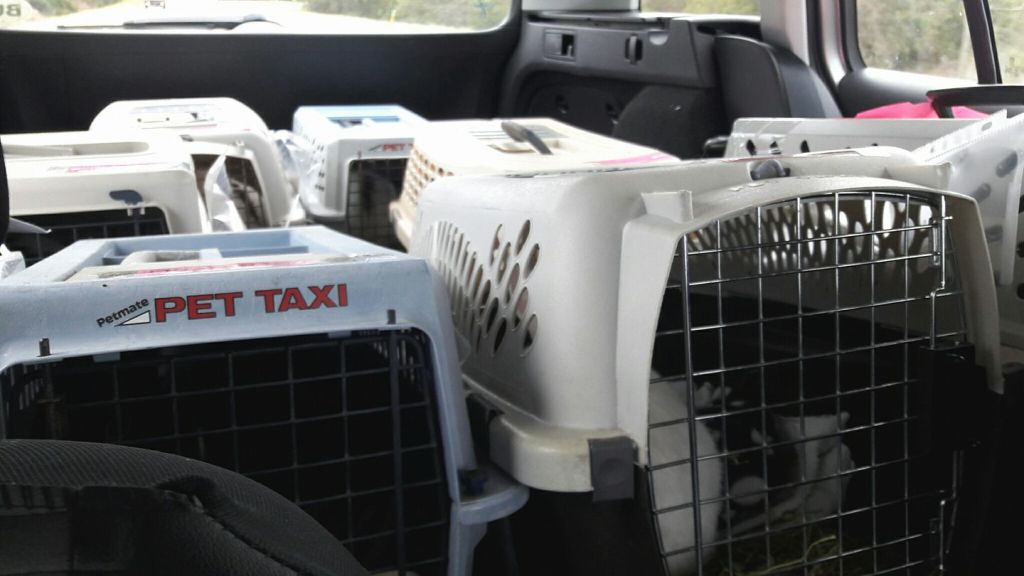
Tip: X-pens are great for quickly securing many types of animals. If needed, you can clip a sheet to the top and/or bottom to help keep them inside. Bassinets for human babies can be great temporary “cages” for kittens and other young or small animals.
Identifying Individuals and Their Needs
It’s vital to make sure that all animals have proper identification tags and/or microchips. You want to be able to easily identify individual animals, especially if they have special needs.
Consider using color-coded tags or collars to indicate any specific care needs or medical conditions. Animal marking chalk or paint can be used, too (I’ve added links to the products I’ve used). Sharpies work in a pinch.

Secure an ID tag or sign to each cage/enclosure. Include important information about the animal and their owner. Luggage tags or job ticket holders are great options. I like to use colored ones to match the animal ID color coding.
Infection Control
As you know, spreading kennel cough, ringworm, or fleas from one animal to another can wreak havoc on your operations. Your normal daily routine is designed to prevent cross-infection/contamination. You might not have as much control during an emergency or natural disaster. Just try not to throw all precautions out the window, so to speak.
Try to adhere to your strict hygiene protocols. Frequent handwashing and careful handling of laundry and your clothing will help. Encourage caregivers to practice good personal hygiene by wearing protective gear such as gloves, shoe covers, and aprons.
Regularly and thoroughly disinfect surfaces, equipment, and cages. Don’t forget to clean your cleaning tools – it doesn’t make sense to try to clean with dirty mops, brooms, and carts.
For both animal and human health, be especially careful to prevent the spread of zoonotic diseases. Common ones include ringworm, salmonella, and sarcoptic mange.
Providing Emotional Support

Like us, animals experience stress and anxiety. It’s compassionate and essential to provide them with emotional support. How you provide this comfort will depend on what and how many types of species are in your care. Here are some ideas on how to help alleviate their distress.
My cat, Flash, seeks refuge in our linen closet during thunderstorms.
- Create a calm and quiet environment, away from excessive noise or commotion. This is especially true for animals receiving medical care and for pregnant and nursing moms. Some animals will kill their own babies when stressed.
- Keep predator and prey animals as far apart as you can. Barking dogs do not make great roommates for cats or rabbits, for example.
- Also tr,y to provide good room ventilation and maintain proper spacing between animals. Avoid over-crowding when possible.
- Provide additional enrichment activities, such as toys and music, to help distract and engage animals. This can be as simple as sprinkling different spices or other scents in their enclosures for investigation (check for toxicity first!). In a pinch, you can give washed bottle caps, knotted fleece strips, empty toilet paper rolls, or chew-safe human baby toys.

Tip: Play movies on a laptop, moving it down the room occasionally if needed. A group of shelter cats were obsessed with watching How the Grinch Stole Christmas. They grouped around the DVD player and insisted we play the movie over and over again.
My cat, Abby, prefers National Lampoon’s Christmas Vacation.
- Offer comfort and reassurance through gentle handling, soothing tones, and positive reinforcement.
- Monitor animals closely for signs of stress or illness and promptly address any concerns. Symptoms can include:
❌ Not eating or eliminating normally.
❌ Excessive drooling or pacing.
❌ Lethargy and depression.
❌ Self-harm, like plucking out feathers or chewing their skin.
Remember that humans express stress and anxiety, too. You and your team will not be able to give your best to the animals if you don’t consider your own needs, too. Provide sufficient rest breaks, food, and water for everyone helping you.
Providing Care During Extended Emergencies
Extended emergencies, such as natural disasters, require additional planning to ensure the well-being of animals in your care. Here are things you will want to consider.
- Consider long-term care needs in your planning. Plan for ongoing provisions for care during extended situations like disaster recovery. Depending on where you’re located, you may want to plan for 3-10 days before you can resume normal operations.
- Plan for human needs. Will you and your staff need to move into your facility temporarily? Will you provide cots and sleeping bags? How will they care for their families and their own animal companions during these times? In a long disaster recovery situation, such as following a hurricane, the best practice is to completely relieve someone of their work duties after 2 weeks. They can return, if needed, after the break.
- Maintain a stockpile of essential supplies, such as food, water, bedding, and medications. Ensure that these supplies are stored in a secure and easily accessible location.
🗹 Regularly check expiration dates and replace any items that become outdated, spoiled, or damaged.
🗹 Disposable food bowls and litter boxes can be easier to store. They’re great for helping to prevent disease transmission. They also save labor because you don’t have to wash them.
🗹 Disposable litter boxes for cats and rabbits can be as simple as newspaper folded and stapled into trays. Shredded paper can serve as litter. Remember, cats only need a small amount of litter. Give them just enough to lightly cover the bottom of the box/tray. (This is a great cost-cutting tip at any time!)
🗹 An emergency road kit and fire extinguisher should be included in your supplies. Even if you are not driving, these kits are an easy way to ensure you have some tools on hand. - Develop contingency plans for feeding animals and your people in case of prolonged events. You may need to consider alternate suppliers of food, for example.
- Ensure that animals and people have access to clean and fresh water. Establish a plan to regularly refill water containers and monitor water quality. You may want to purchase a water storage barrel or filtration system.
- Develop a system for managing first aid supplies and medications. Organize and label all medical supplies. Replace and replenish them as needed. You may want to establish clear, written protocols for administering them.
- Consider alternative energy sources, such as generators or solar power, to maintain essential services during power outages.
Tip: During the pandemic, there was a serious shortage of disposable gloves. If you could find any, the price was as much as doubled. We tried switching to the style usually worn by restaurant employees. They were too loose to be effective.
We settled on washing the gloves in between cages. While still wearing them, we would thoroughly wash them with disinfectant. What’s that saying? ‘Necessity is the mother of invention.’
Maintaining Updated Records
Keeping updated, accurate records is essential for providing optimal care. These records should include identification, medical information, owner contact details, and any special care needs for each pet. Here are some tips for recordkeeping:
- Create a standardized form for recording important information about each animal. Include their name, age, description, allergies, and vaccination history.
- Regularly update these records as new information becomes available.
- Make digital copies of these records and store them securely. I keep a plastic bin with zip drives and printed copies of important papers that I can quickly grab as I exit. You might also keep information in an off-site location for easy access during emergencies. Remember that you might not have access to power or the internet for some time in a disaster situation.
Tip: Take pictures of each animal with their number or number to match them with their records. Use index cards or paper to write their identifier on. You can then use that index card or paper on their cage or enclosure.
Coordinating with Veterinarians
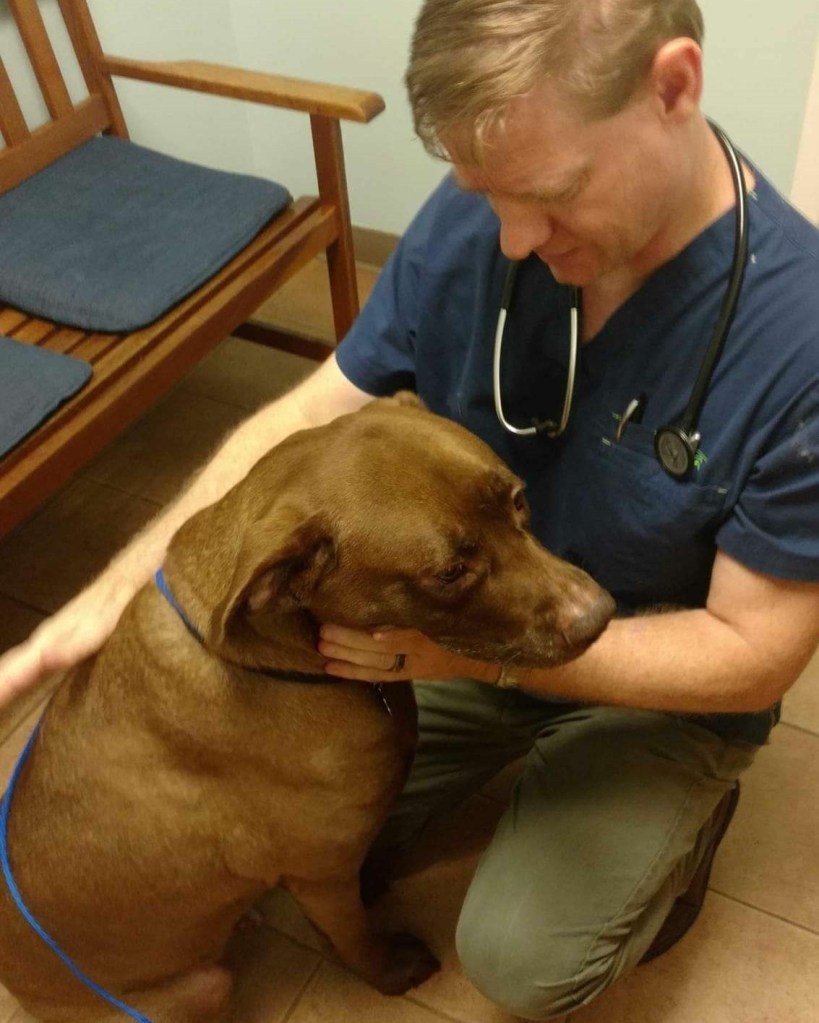
My family and friends are fortunate: I’m a veterinary technician married to a veterinarian. This = easy access to medical care or advice 24/7.
For most pet service businesses, it’s not as easy to find emergency veterinary care. With a shortage of emergency clinics and veterinary professionals, in general, you will want to plan care options in advance. Here are some tips to help you.
- Establish relationships with veterinarians in your area and nearby evacuation destinations.
- Share your emergency response plan with these veterinarians and discuss how you can collaborate during emergencies. Be very respectful of their time and availability. Pay invoices in a timely manner.
- Have a contingency plan for accessing medical care if your facility becomes inaccessible or is unable to provide necessary treatments.
- Keep a list of emergency contact numbers for veterinarians and local animal welfare organizations readily available. Update this information as needed.
- Plan how you will safely transport animals needing veterinary care while maintaining regular care for all of your clients. You may need to enlist help or have a second vehicle available.
The Best Plans Take Time and Effort
Regularly review and update your emergency sheltering plans and emergency kits to adapt to changing circumstances and requirements. By prioritizing preparedness and taking proactive measures, you can provide a safe and secure environment for your staff, clients, and animal companions, even during the most challenging times.
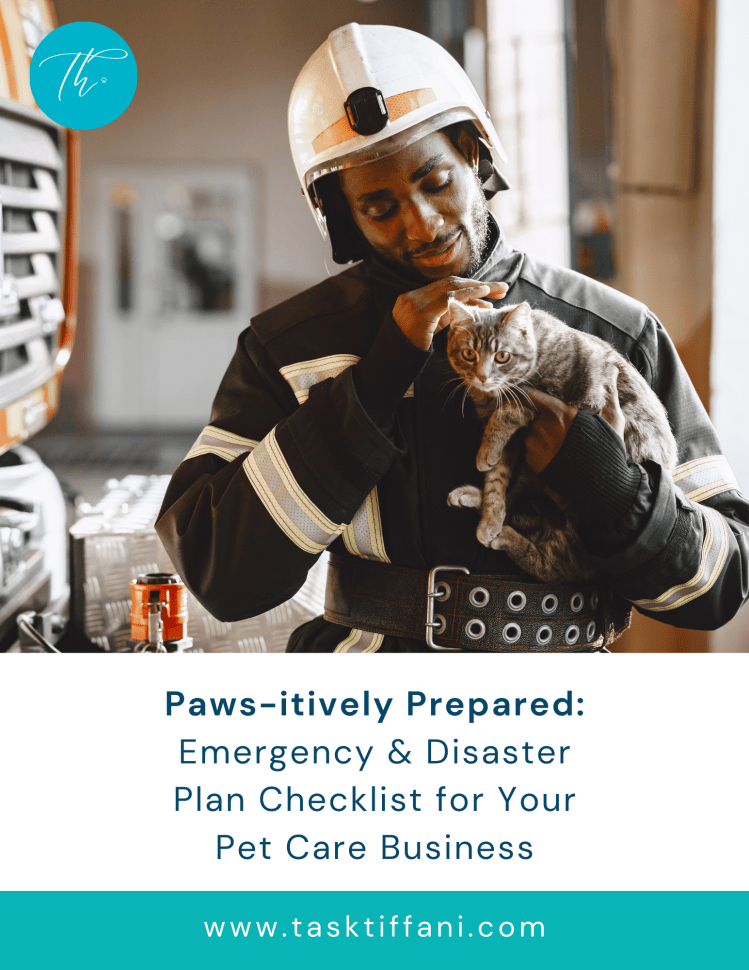
Need to update your plan or don’t have one yet?
Remember, this checklist serves as a starting point, and you should customize it based on your pet care business’s specific needs and circumstances.
Would You Like Some Help?
This isn’t a quick project you can complete in an afternoon – or even a day. You will need to commit some time and effort to this very important project.
I can help! From a free 30-minute consultation where we discuss your specific needs to partnering with me to develop a comprehensive plan and present it to your team, I’m available to work with you. Book your free consultation today!

 Tiffani Hill LLC