
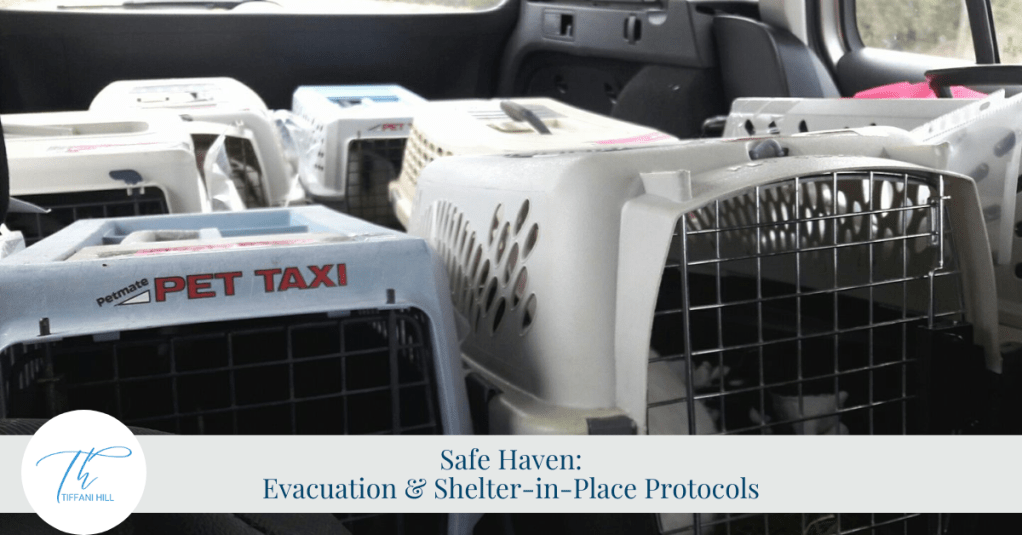

This is part of a blog series of posts taking a closer look at the steps in the 9 Steps to Create Your Emergency and Disaster Preparedness Plan. You can click here to follow along with the Steps.
“If you hear an alarm sound here or in any building in the complex, quickly secure any animal that you have with you and move to our designated assembly area. We do not expect you to risk your own safety to save the animals. You can place dogs in any available kennel or outside run. We have crates of all sizes ready in the storage areas of all three of our buildings.
The assigned Day Lead will take roll call at the assembly area. Please follow all instructions of any law enforcement or fire personnel. If it’s determined safe and necessary, we’ll come back across the street and evacuate the animals.”
Our facility was temporarily enclosed in a heavily secured area. The entire public safety complex was protected by temporary fencing, a security gate, and regular patrols. We were instructed to keep all doorways and windows clear of anything that could block visual inspection from the outside. Patrols would be looking for any suspicious activity in the area. Our community was home to a high-profile, emotionally charged court case that had nothing to do with us. We were included because of our location. Hopefully, we were ready for anything life sent our way.
Note: Did you notice that my instructions included: “We do not expect you to risk your own safety to save the animals”? That’s risk management speak for ‘I’m not telling or ordering you to risk your life to save the animals. If you choose to do so, you do it at your own risk.’ (In other words, do as I say but not as I do, because I will risk my life to save the animals.)
Step 4 to be Paws-itively Prepared
In Step 3 of the Emergency and Disaster Preparedness Plan Checklist, we discussed developing effective communication protocols. Now in Step 4, we’re going to break out the steps for safe and efficient evacuation and sheltering in place.
Well-established evacuation and shelter-in-place procedures ensure the smooth operation of your facility during times of crisis.
These are the essential steps to developing effective evacuation plans, identifying safe routes and assembly points, arranging transportation for animals, and creating emergency kits. By implementing these measures, veterinary clinics, boarding kennels, and other pet care facilities will be Paws-itively Prepared.
Efficient Evacuation Procedures
Evacuation procedures are roadmaps for safely relocating staff, clients, and pets to designated assembly points or emergency shelters. They help minimize confusion. They facilitate a swift and organized evacuation, reducing the risk of injuries.
Establishing Evacuation and Emergency Shelter Procedures
These steps will help you establish effective procedures:
- Develop Clear Evacuation Routes: Identify and mark primary and secondary evacuation routes within your facility. Ensure that these routes are easily accessible, well-lit, and free from obstacles. Display clear signage to guide individuals during an emergency.
- Assign Assembly Points: Designate safe assembly points outside the facility where staff, clients, and animals will gather after evacuating. These assembly points should be located at a safe distance from the building and easily identifiable.
- Communicate Evacuation Procedures: Clearly communicate the evacuation procedures to all staff members and clients. Conduct regular training sessions to ensure everyone is familiar with the procedures, including the location of emergency exits, assembly points, and the chain of command during an emergency.
Safe and Designated Evacuation Routes, Assembly Points, and Emergency Shelters
During an emergency, having safe and designated evacuation routes, assembly points, and emergency shelters is crucial for the well-being of everyone involved. They ensure a swift and orderly evacuation process.
Identifying Safe Evacuation Routes
When identifying safe evacuation routes, consider the following:
- Accessibility: Evacuation routes should be easily accessible for all individuals, including those who are differently abled. Install ramps or other accommodations if necessary.
- Clear Pathways: Keep evacuation routes clear of any obstructions, such as furniture, equipment, or storage items. Regularly inspect these pathways to ensure they are free from potential hazards.
- Well-Lit Exits: Install adequate lighting along evacuation routes to ensure visibility during emergencies, especially in low-light conditions.
- Emergency Exit Signage: Clearly mark all emergency exits with illuminated signs. Ensure that the signage is prominently displayed and easily recognizable.
Designating Assembly Points
Designating assembly points is essential for accountability. Consider the following when choosing assembly points:
- Safe Distance: Choose assembly points that are located at a safe distance from the facility to minimize the risk of injury or exposure to hazards.
- Ample Space: Select assembly points with enough space to accommodate all staff members, clients, and pets*. Ensure that the area is large enough to maintain social distancing if needed.
- Easy Identification: Clearly mark assembly points with signs or markers to ensure they are easily identifiable during an emergency.
*In the incident mentioned above, our facility housed multiple species. We cared for dogs who were dog aggressive, fear biters, or had strong prey drives. We had to consider the risk of bringing this group of animals to the assembly area. Would it be wise to add a mix of behavior challenges to a high-stress, potentially life-threatening situation? What would happen if dogs started fighting or someone was bitten – potentially a First Responder trying to control the situation? This is why I instructed staff to secure animals within our facility first. Once we could better assess the situation and account for all members of our team, we could then go back for the animals in a more safe and organized manner.
Identifying Offsite Emergency Shelters
In certain situations, such as severe weather events, it may be necessary to evacuate to designated emergency shelters. When identifying emergency shelters:
- Research Resources: Identify emergency shelter options suitable for housing staff, clients, and pets. You may only need to move across the county for a contained emergency. You might have to travel hundreds of miles away from a storm. Research local government resources, other pet care facilities, fairgrounds, or other facilities that can provide temporary refuge during emergencies.
- Contact Facility Managers: Establish contact with the managers or administrators of potential emergency shelters to discuss your specific needs and requirements. Determine their capacity and any restrictions or guidelines they may have. For example, some fairgrounds will only accept horses and large farm animals. Here in Georgia, we have to consider that communities in Florida usually evacuate for hurricanes before we do. Those evacuees may fill available hotels and shelters before we do. It’s important to plan ahead so you know what your options are.
- Establish Communication Channels: Develop a communication plan to notify staff members and clients about the designated emergency shelters. Provide clear instructions on how to reach these shelters and any necessary arrangements for transportation.
Transportation of Pets during Evacuations
During evacuations, the safe transportation of pets is of utmost importance. You need to have clear plans and arrangements in place to ensure the well-being of pets during these critical times.
Advance Planning: Develop a comprehensive plan for pet transportation during emergencies. This plan should include details about the number of pets to be transported, the type of transportation required (crates, carriers, or vehicles), and any necessary permits or documentation. Shelters that allow companion animals usually require proof of rabies vaccinations. They may require proof of Bordetella vaccinations for dogs, too.
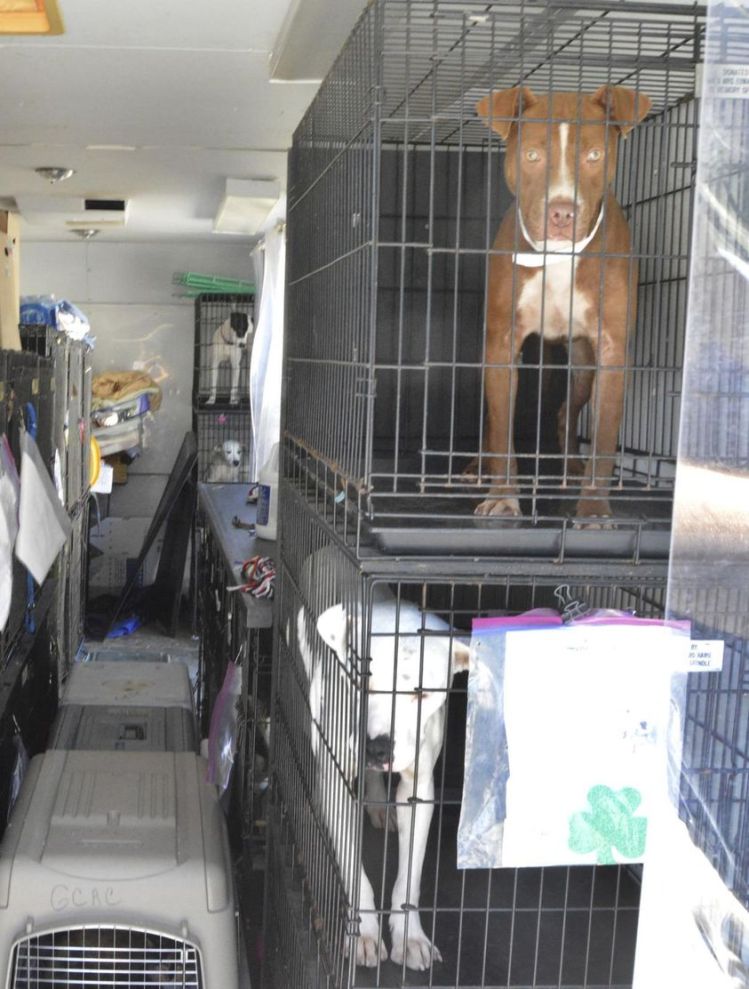

Arrange for Crates and Carriers: Ensure that you have an ample supply of crates and carriers to accommodate the pets being transported. Regularly inspect and maintain these containers to ensure they are in good condition and meet safety standards. As I mentioned in the situation above, we had crates of all sizes strategically located throughout the facility. They were prepped with towels inside. We had also pre-determined how many animals could go in each of our vehicles and the best configuration for the crates.
Bodie, one of my house rabbits, in his crate to evacuate for Hurricane Matthew.
- Advance Planning: Develop a comprehensive plan for pet transportation during emergencies. This plan should include details about the number of pets to be transported, the type of transportation required (crates, carriers, or vehicles), and any necessary permits or documentation. Shelters that allow companion animals usually require proof of rabies vaccinations. They may require proof of Bordetella vaccinations for dogs, too.
- Establish Transportation Partnerships: Collaborate with pet transportation providers – such as volunteers, pet-friendly trucks or flights, or animal welfare agencies – to arrange transportation during evacuations. Establish agreements or contracts in advance to ensure their availability during emergencies.
- Consider Staff Responsibilities: Determine the roles and responsibilities of staff members during pet transportation. Assign specific tasks, such as securing pets in crates or carriers, loading them into vehicles, and ensuring their safety during transit. Remember that your staff may have animal companions and family who need evacuating, too. It’s important to include their needs in your temporary sheltering plans, whether onsite or offsite.
- Communicate with Pet Owners: Maintain open lines of communication with pet owners to keep them informed about the evacuation process. If you are providing temporary sheltering, give them clear, written instructions. Include in your information where and when to bring their pets for housing or transportation, along with any necessary documentation or supplies.
Supplies for Evacuating or Sheltering in Place
Whether you are evacuating or sheltering in place, you will need well-stocked and regularly maintained emergency kits. Consider the following steps when creating and maintaining emergency kits:
Essential Supplies for Emergency Kits
Emergency kits should include the following essential supplies:
- Paper Registration and Liability Release and Waiver Forms: In case you don’t have access to power or the internet, have some printed registration and liability release and waiver forms on hand. You will be able to adequately obtain the necessary information and follow good risk management practices in the event additional people and animal companions seek shelter with you.
- Animal Identification and Records: Maintain up-to-date records of all animals in the facility, including medical history, special needs, and contact information for owners. Ensure each animal has proper identification, such as microchips and collars with ID tags. Tip: Small pets, like rabbits and snakes, may be able to be microchipped by a veterinarian.
- First Aid and Cleaning Supplies: Stock a variety of cleaning and first aid supplies, including disinfectants, buckets, brooms, towels, bandages, antiseptics, and medications commonly used for pets and people. Consider the specific needs of your facility and temporary shelter. Seek guidance from a veterinarian, if needed, to ensure you have the necessary supplies.
- Food and Water: Store an ample supply of pet and human food and water to sustain the pets during the evacuation or shelter-in-place period. Choose non-perishable food items and ensure they are stored in airtight containers to maintain freshness.
- Medications: Include an adequate supply of any over-the-counter medications that pets and people in your care may require during an emergency. Remember to rotate these medications regularly to ensure they remain within their expiration dates.
- Blankets and Bedding: Provide blankets and bedding to keep pets and people warm and comfortable during the evacuation or shelter-in-place period. These items can also provide a sense of familiarity and security for the pets.
- Leashes and Collars: Have a sufficient number of leashes and collars available to safely handle and transport pets during evacuations. Ensure that these items are in good condition and properly sized for different pet sizes.
- Animal Enrichment: Provide enrichment items (toys, stuffies, scents, etc.) to keep animals mentally stimulated and comfortable.
- Comfortable and Safe Environment: As best as you can, provide proper ventilation and temperature control to maintain a safe and comfortable environment. Install backup power sources, such as generators, to maintain essential systems like lighting, ventilation, and heating/cooling. Verify that utility shut-off points are clearly marked and accessible.
Regularly Check and Restock Emergency Kits
To ensure that your emergency kits remain fully equipped and up to date, follow these guidelines:
- Regular Inspections: Conduct regular inspections of your emergency kits to ensure that all items are present and in good condition. Check for expired medications or food items and replace them as needed.
- Rotate Perishable Items: If your emergency kit includes perishable items such as pet food or medications, make sure to rotate them regularly to maintain freshness and effectiveness. Use a “first-in, first-out” approach to ensure that older items are used first. Tip: donate any people or pet food that is about to expire to your local food bank instead of throwing it out. They may be able to hand it out immediately.
- Update Contact Information: Review and update the contact information of emergency contacts, including local authorities, veterinary hospitals, and animal welfare agencies. Inform staff members and clients about any changes to these contacts.
Regularly review and update your emergency sheltering plans and emergency kits to adapt to changing circumstances and requirements. By prioritizing preparedness and taking proactive measures, you can provide a safe and secure environment for your staff, clients, and animal companions, even during the most challenging times.
The Best Plans Take Time and Effort
Need to update your plan or don’t have one yet?
Remember, this checklist serves as a starting point, and you should customize it based on your pet care business’s specific needs and circumstances.
Would You Like Some Help?
This isn’t a quick project you can complete in an afternoon – or even a day. You will need to commit some time and effort to this very important project.
I can help! From a free 30-minute consultation where we discuss your specific needs to partnering with me to develop a comprehensive plan and present it to your team, I’m available to work with you. Book your free consultation today!

A little about me…
Hi, I’m Tiffani Hill, an Online Business Manager and Operations Consultant with years of experience creating plans for and responding to emergencies and natural disasters.
I love supporting small businesses by helping them develop efficient plans and workflow documentation. Contact me today so we can smooth out your workflows and capture and effectively document your vital information and plans.

 Tiffani Hill LLC