

We’re starting a series of posts taking a closer look at the steps in the 9 Steps to Create Your Emergency and Disaster Preparedness Plan. You can click here to follow along with the Steps.
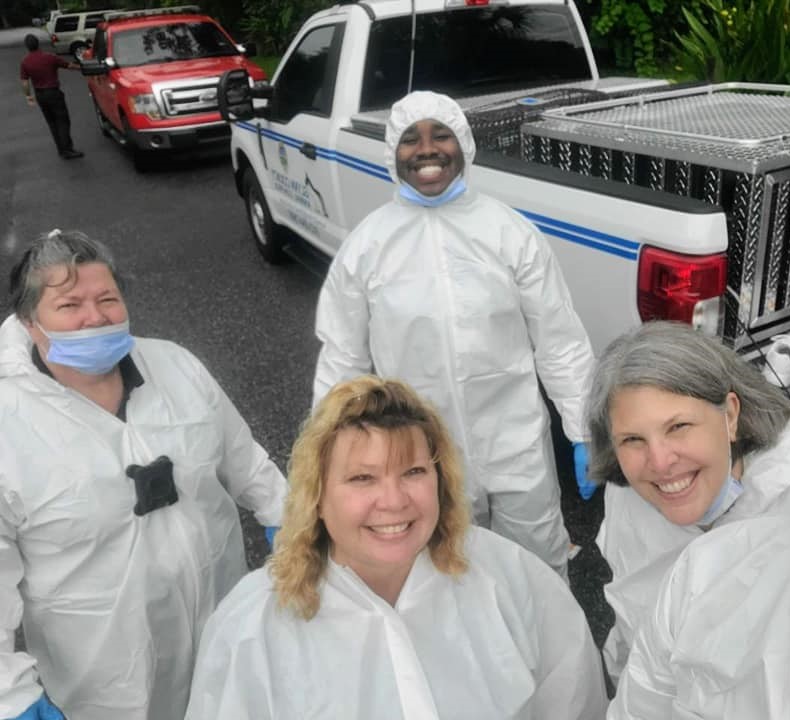
I’ve been blessed with a fulfilling career in animal welfare. My roles have included coalition program management, veterinary technician, and animal shelter director. I’ve used my passion for risk management to protect the lives of both people and animals. I retired as a First Responder – the chief of our local animal control agency – in 2021. I’m excited to share some of what I’ve learned about emergency preparedness and response in this series.
(pictured: My team & I suiting up in hazmat gear to rescue animals from a severe hoarding case. The air inside was so bad that we had to borrow breathing apparatus from the fire department. I’m on the right.)
As you know, running a veterinary or pet care business comes with its own set of challenges and risks. It’s vitally important that business owners are aware of potential hazards. And not just to be aware but to take proactive measures to mitigate them.
We’ve heard a lot about hurricanes, wildfires, and active shooters in recent years. Here in the South, hurricanes have become increasingly problematic (to say the least). Let’s take a closer look at how a veterinary hospital with boarding services learned from an evacuation experience. Then we’ll expand on a list of potential hazards to our businesses.
My First Hurricane Evacuation
My first experience with a hurricane evacuation was during Hurricane Matthew in 2016. We had just moved from soCal to Georgia. My husband had pivoted from zoo medicine to private practice.
Coastal Georgia hadn’t experienced a serious storm in many years. Residents and businesses had started to believe that they would never need to evacuate again.
As you can imagine, we were surprised when we got the news that we had to quickly move inland. My family had experienced fire evacuations in California, but never a hurricane.
At the time, our animal companions included 2 dogs, a cat, a house rabbit, and a chameleon. Little PePe and his blind friend, Oscar, joined us as we sought shelter with inlaws to the west.
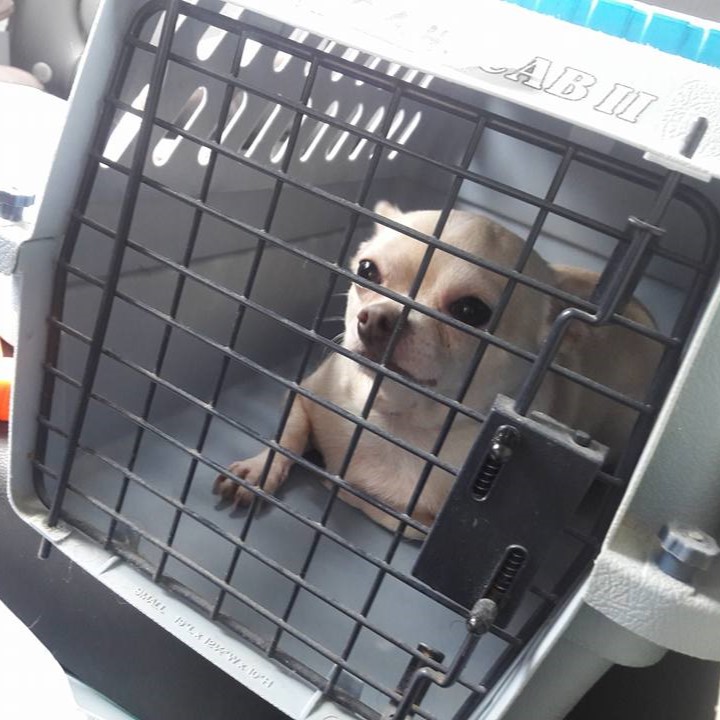
PePe (pictured here before we gave him his blanket) and Oscar were boarding at the veterinary hospital where my husband worked. Their owners were overseas and unable to come back to evacuate them. After calling everyone, the staff discovered that 11 other pets were in similar situations. They loaded the boarders into crates and divided them up amongst our cars as we left town. Thankfully, PePe and Oscar didn’t mind staying with our family zoo.
Once we were all safely back home, the hospital instituted a new policy for boarding. Owners must now provide an emergency contact who will pick their pet up in the event of an evacuation.
Stay tuned to read about my second hurricane evacuation, where we moved 123 animals inland…
Identifying Potential Hazards to Your Business
Has your business been affected by a hurricane? Are you prone to natural disasters like earthquakes, floods, or fires? How often might you experience power outages, medical emergencies, manmade disasters, or even crime?
The first step in developing your emergency and disaster preparedness plan is identifying potential hazards. Consider your specific location and type of business as you customize your list.
Natural Hazards
Meteorological Hazards
One of the most common natural hazards is a meteorological event. This includes flooding, dam/levee failure, severe thunderstorms, tornadoes, windstorms, hurricanes, tropical storms, and winter storms. These events can cause significant damage to the physical infrastructure of your business and disrupt your operations. It is crucial to have a plan in place to evacuate animals safely and secure your premises in the event of an approaching storm.
Geological Hazards
Geological hazards such as earthquakes, tsunamis, landslides, subsidence/sinkholes, and volcanic eruptions can also pose a threat to your business. These events can lead to structural damage, endangering the safety of your staff and animals. It is important to assess the geological risks in your area and take necessary precautions, such as securing furniture and equipment and having emergency evacuation plans in place.
Biological Hazards
The past 4 years have pretty much made us all experts in pandemic diseases. Another form of biological hazard you’ve probably experienced is foodborne illnesses. Outbreaks of contagious diseases among animals can spread quickly and have a significant impact on your operations. In our profession, we’re at risk from zoonotic diseases, as well. It is crucial to have proper sanitation protocols, vaccination programs, and isolation measures in place to prevent the spread of diseases.
Regular staff training and educating your clients on possible risks are critical steps. Strict adherence to hygiene practices is essential to minimize the risk of biological hazards. Click here for the CDC’s article: Zoonotic Diseases.
Human-Caused Hazards
Accidents
Accidents can occur in any workplace, and veterinary and pet care businesses are no exception. Workplace accidents, entrapment/rescue situations, transportation accidents, structural failure/collapse, and mechanical breakdowns are all potential hazards in this category. It is important to implement safety protocols, provide adequate staff training*, and regularly inspect and maintain equipment to minimize the risk of accidents.
*Conduct regular safety drills to prepare your team for emergency situations. Click here for the article The 10 Most Common Workplace Accidents by Stewart Law Offices.
Intentional Acts
Intentional acts include labor strikes, demonstrations, civil disturbances, bomb threats, and acts of violence. They can disrupt the normal functioning of your business. An animal shelter in Chicago had its windows smashed when rioters filled their parking lot. They were not involved in any way or the target of the riot but were in the ‘wrong place at the wrong time’.
It is essential to stay informed about potential threats in your area and have security measures in place to protect your staff and animals. Developing a crisis communication plan and collaborating with local law enforcement can help mitigate risks associated with intentional acts.
Three times, I’ve had to develop protocols/evacuate a building to protect my team and our clients during civil unrest. Two situations were caused by highly publicized court cases being conducted nearby. The third was a random bomb threat in a government building.
ContaCT ME
If you are planning for or facing security issues like a riot near your business, please contact me. I’m happy to share what I’ve learned and any resources I know about with you.
Technological Hazards
“The internet’s down.” “The phones aren’t working.” “The database has crashed.”
Technological hazards can have a significant impact on your operations. Information technology failures such as loss of connectivity, hardware failure, and data loss can disrupt your ability to provide quality care and communicate with clients. Utility outages, including communications, electrical power, water, and gas, can also cause problems. It is important to have backup systems in place, such as generators and redundant communication channels, to minimize the impact of technological hazards.
We had just knocked down a cat for surgery when the power went out and we got a tornado warning – a two-for-one crisis situation. Thankfully, the veterinarian had not made an incision yet. He gave her an injection of a reversal drug and we all moved into our designated storm shelter area. I did a roll call of staff, volunteers, and visitors once in the shelter area (a very good reason to have visitors and volunteers sign in and out). I discovered that a team member was offsite on lunch break. I called her and directed her to go to the nearest safe place to shelter and not return to the facility until further notice.
Fire/Explosion
Fire and explosion hazards can pose a serious threat. Structure fires, wildland fires, and explosions due to chemical or process failures can lead to the loss of property, injury, and even loss of life. Implementing fire safety protocols, conducting regular inspections, and having proper fire suppression systems in place are essential to protect your staff, animals, and facilities. Regular fire drills and staff training can help ensure a quick and efficient response in case of an emergency. (Click here for tips on conducting a fire drill in a work environment.)
A veterinary hospital was in the path of a wildfire. They had a patient open on the surgery table. Faced with the choice of euthanizing the patient and evacuating or finishing the surgery, they chose to risk their lives. The veterinarian and lead technician made the personal decision to stay until they could safely move the animal. The rest of their team evacuated the other hospitalized patients.
Personally, I greatly admire the veterinarian and technician for their commitment to their patient. However, as a leader, I never required that my staff place themselves in unnecessary danger. I allowed them to decide and ensured that they had the proper training to be as safe as possible if they chose to accept the risk.
Hazardous Materials
Did you, too, think – aren’t animal companions sometimes ‘hazardous materials‘? I say that with a little chuckle.
On a serious note: Hazardous materials spills have been in the news a lot lately. Last year, my son’s school found itself just outside of the 3-mile evacuation zone for multiple explosions and fire at a local chemical plant.
Hazmat spills/releases, radiological accidents, off-site incidents, and transportation accidents involving hazardous materials can have severe consequences. Veterinary hospitals and mobile clinics handle oxygen tanks and controlled substances. It is crucial to have proper storage, handling, and disposal procedures in place for hazardous materials. Providing appropriate training to staff and conducting regular safety audits can minimize the risk of accidents and ensure compliance with related regulations. Your state’s OSHA can advise you on safe handling and emergency response related to hazardous materials.
Supply Chain Interruption
Has your grocery store had empty shelves recently? Have you been impacted by back orders on drugs and vaccines? Still waiting for that delivery of specialized pet food?
Our industry relies on a complex supply chain to provide essential services to animals. Supplier failures and transportation interruptions can disrupt the availability of critical supplies, including medications, food, and equipment. It is important to have contingency plans in place, such as alternative suppliers and inventory management systems, to ensure uninterrupted service to your clients and patients.
Click here for the FEMA guide: Technological Hazards.
Proactive is Key – Take the Time to Create Your Plan
Running a successful business requires a thorough understanding of the hazards and risks involved. By identifying potential natural, human-caused, and technological hazards, you can be proactive about protecting your clients and facilities. Implementing safety protocols, conducting regular training, and collaborating with local authorities can help mitigate risks and ensure the smooth operation of your business.
Would you like a list of the potential hazards outlined above? CLICK HERE for the link to download the List of Potential Hazards.
Stay vigilant, stay prepared, and prioritize the safety and well-being of everyone involved in your business. I’m available to answer your questions and help you with your planning.
Have you downloaded your free copy of the Paws-itively Prepared Emergency and Disaster Plan Checklist yet? It’s a great tool to help you update or create your plans.
This isn’t a quick project you can complete in an afternoon – or even a day. You will need to commit some time and effort to this very important project.
I can help! Start with a complimentary, no-obligation 30-minute consultation so we can discuss your specific planning needs.
And if you would more help with your planning, we can work together to develop a comprehensive plan tailored to your unique and individual business.
Stay tuned for our next post: Building an Effective Emergency Response Team: the 2nd Step to be Paws-itively Prepared

 Tiffani Hill LLC
Comments
2 responses to “How to Identify Potential Risks: Paws-itively Prepared”
[…] The easiest way to complete this step is to review your risk assessment from Step 1. If you need to assess potential hazards to your business, review this post. […]
LikeLike
[…] takes us back to Step 1 of being Paws-itively Prepared. To protect your business assets effectively, you need to conduct regular risk […]
LikeLike